Ecommerce Website Development Cost in India (2026): What Does a Serious Online Store Cost?
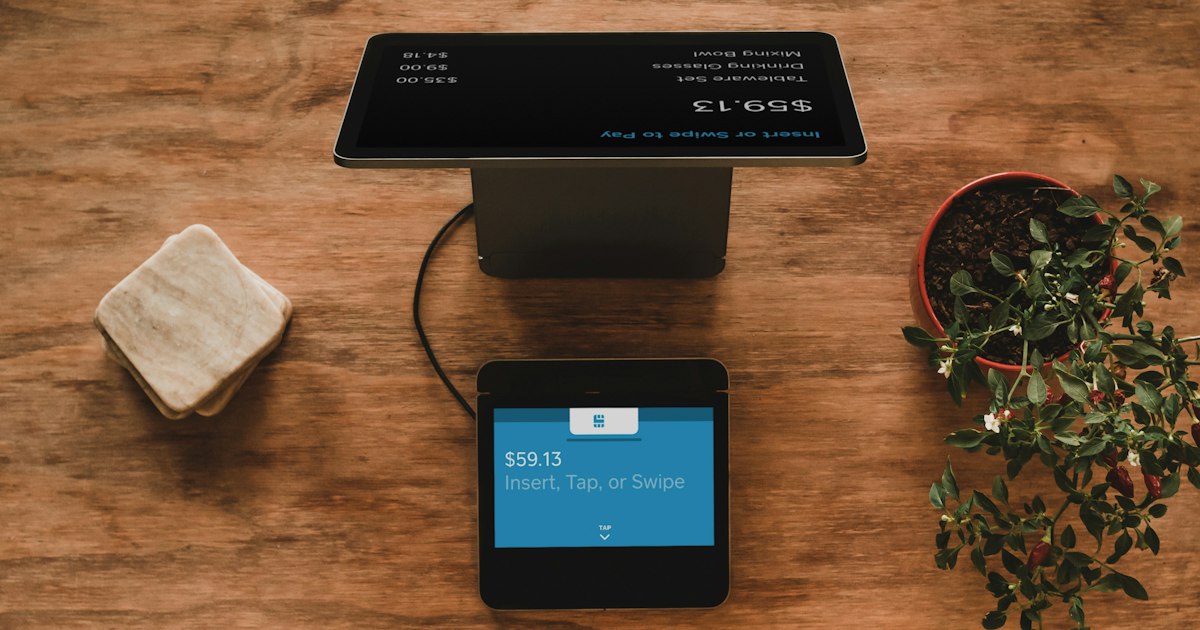
The cost of building an ecommerce website in India varies far more than the cost of a basic business website because an online store has to do much more than display information. It has to help customers discover products, understand variants, trust the brand, add items to cart, pay successfully, receive order updates and move through a buying journey that works on mobile as well as desktop. That means ecommerce pricing is influenced by the platform, catalogue size, design quality, product data, filters, payments, shipping, apps, integrations, SEO, analytics and post-launch support. A small store with 20 products and a standard Shopify theme is a different project from a 2,000-product catalogue with custom filters, ERP integration and complex fulfilment rules. This guide explains realistic planning ranges for 2026 and, more importantly, what makes an ecommerce project move from tens of thousands of rupees into several lakhs.
Table of Contents
- Typical Ecommerce Website Development Cost in India
- Shopify vs WooCommerce vs Custom: How the Platform Changes Cost
- Catalogue Size and Product Setup Can Change the Quote Dramatically
- Design and Conversion UX Are More Important in Ecommerce
- Payment Gateways, Shipping and Operational Integrations
- SEO, Product Content and Collection Architecture
- Apps, Extensions and Recurring Platform Costs
- Maintenance and Growth Costs After Launch
- Hidden Ecommerce Costs Business Owners Often Miss
- How to Decide What Ecommerce Budget You Actually Need
- How to Reduce Ecommerce Development Cost Without Creating Problems
- Final Takeaway
- Frequently Asked Questions
Typical Ecommerce Website Development Cost in India
A starter ecommerce website usually covers the essentials: a homepage, product collections, product pages, cart, checkout, payment setup, basic shipping rules, policy pages and mobile responsiveness. The lower end is normally possible when the brand already has clean product data, photography, copy and a straightforward catalogue.
A growth-stage store often requires more. Examples include advanced collection navigation, filtering, better product-page storytelling, product recommendations, reviews, email capture, analytics, custom sections, multiple payment options, shipping integrations and SEO-friendly category architecture. When the store becomes a major revenue channel, the development work shifts from “put products online” to “build a reliable commerce experience.”
Custom ecommerce becomes necessary when the business model itself is unusual: B2B pricing, complex subscriptions, marketplace logic, product configurators, multi-vendor flows, custom checkout logic, ERP integration or application-like customer portals.
Ecommerce Planning Ranges
| Project type | Broad planning range | Best fit |
|---|---|---|
| Starter Shopify/WooCommerce store | ₹40,000–₹1,00,000 | Small catalogues, straightforward requirements |
| Professional branded ecommerce store | ₹1,00,000–₹3,00,000 | Growing D2C brands, custom UI, stronger merchandising |
| Advanced ecommerce build | ₹3,00,000–₹6,00,000+ | Large catalogues, complex integrations, custom workflows |
| Custom/headless ecommerce platform | ₹5,00,000–₹10,00,000+ | Unique business logic, scale, portals, advanced commerce |
These are broad budgeting bands synthesized from current Indian market guides. They are not fixed prices. Product data quality, catalogue size, integrations and design requirements can move a project significantly.
Shopify vs WooCommerce vs Custom: How the Platform Changes Cost
Shopify can reduce infrastructure and setup complexity because hosting, checkout, core product management and security are part of the platform. You still pay for store design, theme customisation, product setup, integrations and apps, but the development team does not have to build basic commerce infrastructure from scratch. This makes Shopify attractive for brands that want to launch quickly and manage operations from one dashboard.
WooCommerce is open-source and runs on WordPress. It gives you more control over hosting and extensions, and it can work well for brands that also have a heavy content or SEO strategy. The trade-off is that hosting, updates, plugin compatibility and performance need more attention.
Custom ecommerce is the most expensive route because the team may need to design and engineer product, cart, account, admin and integration logic specifically for the business. Choose custom only when your requirements genuinely exceed what established platforms can handle cleanly.
Catalogue Size and Product Setup Can Change the Quote Dramatically
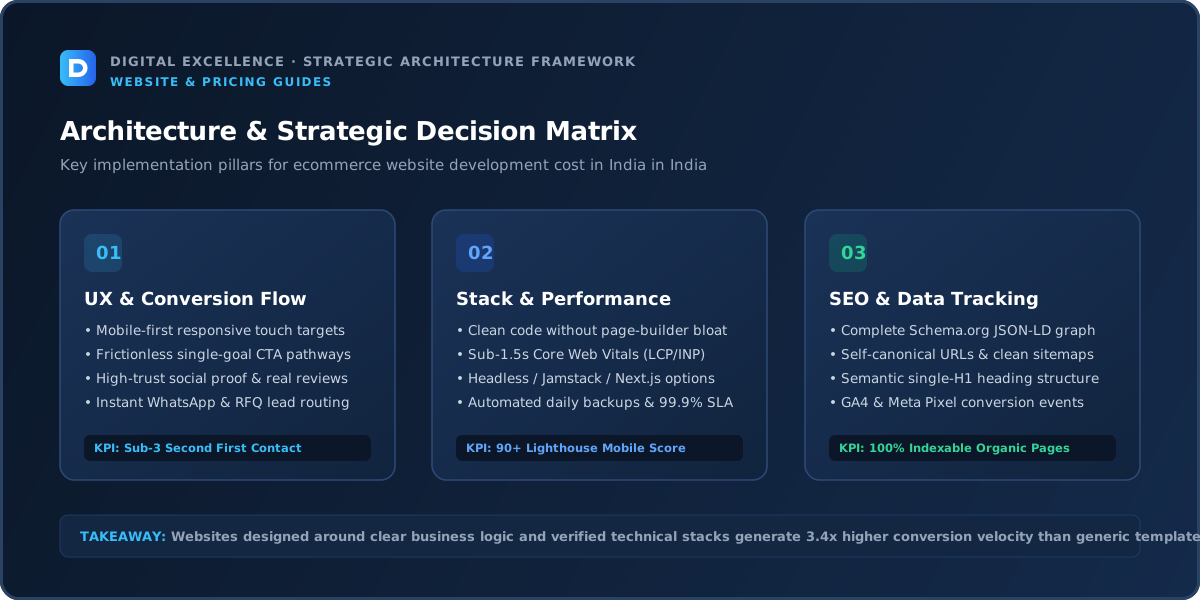
An ecommerce store with 25 products is not the same job as a store with 2,500 products. Catalogue work includes titles, descriptions, images, variants, SKUs, prices, collections, tags, filters, SEO fields and sometimes inventory migration from another system.
If your product data is already clean in a spreadsheet and images are named consistently, importing the catalogue can be efficient. If the developer has to clean duplicate SKUs, resize thousands of images, rewrite product titles, create categories and fix variant logic, product setup can become one of the largest parts of the project.
Before requesting quotes, estimate the number of products, variants and collections you plan to launch with. Also clarify whether product uploading is included, limited to a certain number of products or charged separately.
For a related buying decision, see Shopify Website Development Cost in India : Full Pricing Guide.
Design and Conversion UX Are More Important in Ecommerce
A service website may only need to convince a visitor to submit a form. Ecommerce must convince them repeatedly: first to browse, then to open a product, then to choose a variant, then to add to cart and finally to complete payment.
That makes collection pages, product pages, mobile navigation, filters, search, cart design and trust information important parts of the build. Custom design work increases cost because the team must create reusable commerce components and test them across different products and screen sizes.
A cheaper theme-based store can be perfectly suitable for a simple catalogue. A brand investing heavily in paid social, influencers or SEO may benefit from stronger product storytelling and a more distinctive visual experience. The budget should match how important the website is to customer acquisition and brand perception.
Payment Gateways, Shipping and Operational Integrations
Payments and shipping are where ecommerce stops being a design project and becomes an operating system. The store may need UPI, cards, net banking, COD, refunds and multiple payment providers. Shipping logic may include weight-based rates, pin-code serviceability, free-shipping thresholds, courier integrations, tracking and return workflows.
Some brands also need GST invoice workflows, CRM integration, warehouse systems, ERP, marketplace sync or WhatsApp notifications. Each external system adds configuration, testing and failure cases. An integration that looks simple on a feature list can still require careful mapping of data and edge cases.
Ask whether the quote includes setup only or end-to-end testing. Test successful payments, failed payments, cancelled orders, refunds, COD, shipping calculations and customer notifications before launch.
SEO, Product Content and Collection Architecture
Ecommerce SEO depends heavily on structure. Search engines need to understand products, categories and the relationships between them. A store with hundreds of weak or duplicate pages can create more SEO problems than a smaller, well-structured catalogue.
Budget may increase if the project includes keyword research, collection-page copy, unique product descriptions, title/meta optimisation, internal links, structured data, image alt text and migration planning. If you are moving from an existing ecommerce site, redirects become especially important so old URLs do not simply disappear.
Good category architecture helps users too. A fashion store may organise by gender, product type, collection and occasion. A beauty brand may use product type, concern and ingredient. The structure should match how customers actually search and browse.
For a useful scope comparison, read Shopify vs WooCommerce India : Which Is Better for Your Business?.
Apps, Extensions and Recurring Platform Costs
The build cost is only the first number. Shopify has a recurring platform subscription and some stores use paid apps for reviews, subscriptions, loyalty, advanced filters, bundles or email. WooCommerce itself is free, but hosting and premium extensions can add recurring costs. Custom stores may pay separately for cloud hosting, databases, image storage, transactional email, search services and monitoring.
On Shopify, official India pricing changes by plan and billing cycle, so verify the current plan before publishing or quoting. As of September 2026, Shopify lists Basic, Grow and Advanced plans with different monthly prices depending on annual or monthly billing. Do not hard-code old platform prices into a proposal without checking the live pricing page.
A sensible ecommerce budget includes both year-one build cost and expected annual operating cost.
A useful ecommerce brief also includes a catalogue-readiness audit before development begins. Confirm product count, variants, SKUs, collection rules, image naming, shipping logic and which fields are already clean enough to import. A store with organised source data can be built and tested far more efficiently than one where the developer discovers duplicate SKUs, missing images or inconsistent variants during launch week.
Treat migration and product-data cleanup as explicit workstreams. Decide what historical data must move, which old URLs need redirects and who validates imported products. This planning reduces rework and protects both customer experience and SEO when an existing store is replaced.
Maintenance and Growth Costs After Launch
An online store changes constantly. Products are added, campaigns launch, apps change, platform updates happen and customer behaviour creates new optimisation opportunities. Maintenance can include bug fixes, theme updates, app checks, speed monitoring and content support.
Growth work is separate. Conversion-rate optimisation, SEO content, A/B testing, email automation and analytics are ongoing marketing activities. They should not be confused with basic technical maintenance.
Before signing, ask what support exists after launch, how urgent issues are handled and how new feature requests are estimated. If the website is central to revenue, having a defined support path is worth budgeting for.
How to Decide What Ecommerce Budget You Actually Need
Start with your expected launch catalogue and the customer journey. List must-have features separately from nice-to-have features. Decide whether you need a proven platform or genuinely custom commerce logic. Identify the integrations required for day-one operations.
Then think about acquisition. If most sales will initially come from Instagram ads, your product pages and mobile performance deserve attention. If SEO is central, collection architecture and content deserve more budget. If you already have a large offline operation, inventory and ERP integration may matter more than fancy animations.
A good ecommerce proposal should reflect the business model. Do not buy a complex headless architecture because it sounds sophisticated, and do not force a growing operation into a basic theme when the limitations are already obvious.
How to Reduce Ecommerce Development Cost Without Creating Problems
Launch with a clean first version. You may not need loyalty, subscriptions, advanced bundles, AI search and a custom app on day one. Add features after the core purchase journey is stable.
Prepare product data in a structured spreadsheet. Finalise collections before development. Provide consistent images and product copy. Decide shipping and return policies early. Limit custom apps where native platform functionality is enough.
Do not cut cost by skipping payment testing, mobile optimisation, backups, analytics or basic SEO. Those are foundational. The goal is to remove unnecessary complexity while keeping the purchase journey reliable.
Final Takeaway
Ecommerce website development cost in India is best understood as a combination of platform, catalogue, design, operations and growth requirements. Start with the customer journey and the systems your team needs to run orders successfully. Then choose the simplest platform and feature set that can support that reality.
A store that launches cheaply but cannot handle products, payments or marketing efficiently is not actually inexpensive. A well-scoped ecommerce project should make buying easy for customers and management practical for the business.
For implementation options, explore website development services and Digital Excellence portfolio.
Frequently Asked Questions
How much does an ecommerce website cost in India?
A simple store can start in the tens of thousands of rupees, while professional branded ecommerce websites commonly move into the ₹1–3 lakh range and advanced custom platforms can cost several lakhs or more. Catalogue size, platform, integrations and design quality are major cost drivers.
Is Shopify cheaper than WooCommerce?
It depends on the project. Shopify can reduce development and maintenance complexity because hosting and core commerce features are included, but it has a recurring subscription and paid apps. WooCommerce has no core platform subscription but requires hosting, updates and sometimes premium extensions.
How much does product uploading cost?
Many developers include a limited number of products and charge separately for large catalogues. The cost depends on how clean your product spreadsheet, images, variants and descriptions are.
Do ecommerce development charges include payment gateway fees?
Usually no. Development covers integration and testing; the payment provider's transaction or service fees are separate and should be checked directly with that provider.
How long does ecommerce website development take?
A straightforward store can often be completed in a few weeks, while custom stores, migrations and complex integrations can take significantly longer. Content readiness and product data often affect timelines as much as coding.
Does an ecommerce store need ongoing maintenance?
Yes. The level varies by platform, but stores need monitoring, app or plugin updates, content changes, issue resolution and periodic performance checks. Growth work such as SEO and conversion optimisation is usually separate.
Planning an Ecommerce Store?
Need a website scope or quote based on your real requirements rather than a generic package? Digital Excellence can review the pages, platform, integrations, SEO needs and launch priorities.